
Top Doctor: “I definitely cured my wife’s ear ringing with this 10-second trick, also called the Undo Button”
Most people only notice the real signs of hearing deterioration once they're already in the danger zone — but few know there's a simple way to stop the sneaky progression of tinnitus before it becomes irreversible
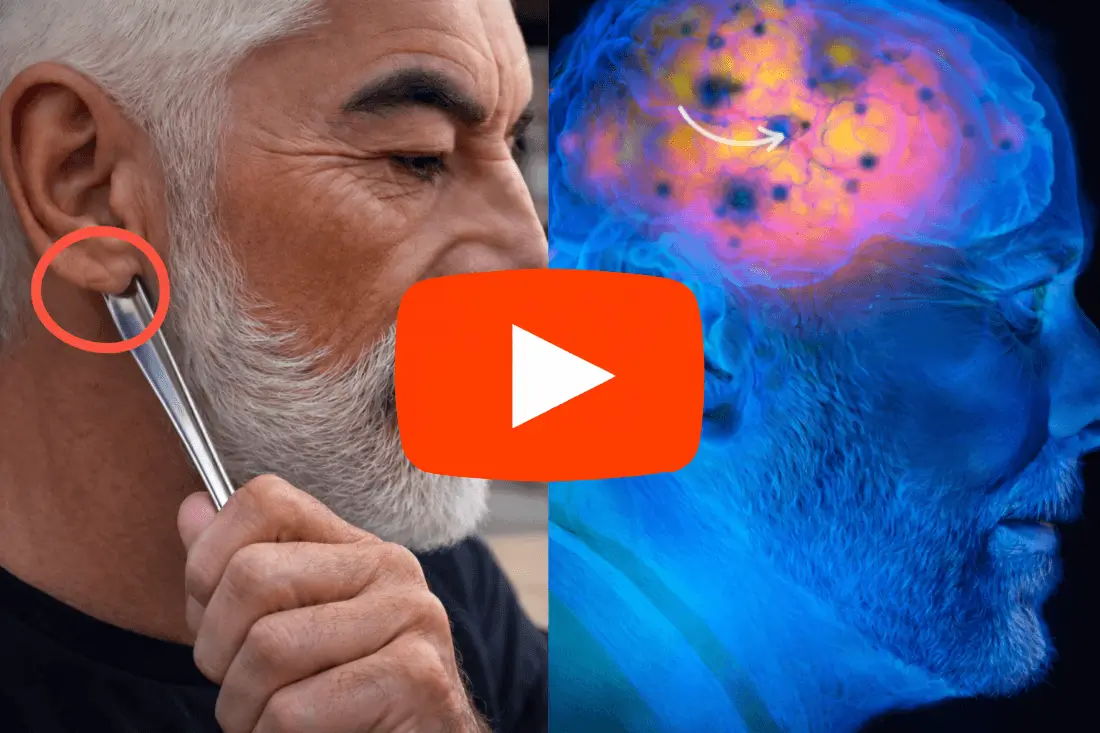
Please wait up to 10 seconds for the video to load. Free Access • Limited Time Only
Watch The 10-Second Trick Video NowAre you being tormented by a ringing, buzzing, or constant high-pitched noise in your ears? Many people ignore these signs believing it will “go away on its own,” but it’s precisely this delay that allows the problem to worsen. In most cases, tinnitus doesn’t stay the same — it intensifies, invades your moments of focus, disrupts your sleep, and begins to confuse your brain when interpreting real sounds. This progression is silent, gradual, and by the time it becomes noticeable, it is often much harder to control.
Most people try everything — medications, drops, sound therapies, devices, and even painful procedures. But none of these address the real trigger behind the internal noise. That’s why the relief is always temporary — and the ringing comes back even stronger. What few people understand is this: the longer the brain is exposed to this distorted signal, the more it adapts to the internal noise, and the less it responds to real external sounds.
And it was while trying to understand why the brain reacts this way that renowned MIT researchers made a surprising discovery. They found that tinnitus is not just in the ears — it involves a delicate nerve fiber that connects the ears to the brain. This breakthrough led to a simple, natural 10-second method that can be done at home, offering an incredible promise to help silence tinnitus before the cycle grows stronger.
Click here to watch the 10-second trick video now!
This powerful method goes beyond simply quieting the noise in your head. It was designed to strengthen the delicate nerve fiber connecting your ears to your brain, supporting your body’s natural healing processes. It can restore your hearing clarity, nourish your brain, and even protect against age-related cognitive decline. Imagine:
- Waking up in silence, without ringing or whistling.
- Focusing on work or hobbies without distractions.
- Enjoying conversations effortlessly.
- Rediscovering the peace you deserve.
No expensive hearing aids, harsh medications with unwanted side effects, painful ear washes, risky surgeries, or ineffective sound therapies. This is a gentle, natural method, based on pure ingredients you can use at home in just seconds a day.
This revolutionary method, backed by innovative MIT research, has already helped over 200,000 people find significant relief from their tinnitus symptoms. They are experiencing less ringing, whistling, clicking, and pulsing. Their anxiety is decreasing, their focus is sharpening, and their headaches are easing. Some even reported improved hearing and reduced reliance on hearing aids.
If you’re ready to take control of your tinnitus and experience the relief you deserve, you owe it to yourself to learn more. Click the button below to watch a short, informative video explaining this revolutionary 10-second trick and how it can help restore your auditory and mental health.


Copyright 2025 © Health Vitality News – All rights reserved.
The information on this site is for informational purposes only and is not intended to replace professional medical advice, diagnosis, or treatment.
Please consult a qualified healthcare professional before making any changes to your health routine. Results may vary and are not typical.
Testimonials may have been edited. Always verify information with your doctor.
650 Comments
Sarah Miller
I decided to watch this video after struggling with constant ringing for months. After about two weeks, the unbearable ringing that tormented me day and night is down by 80%. My mind feels 'quiet' for the first time in years. This is incredible.
Like · Reply · 1 · 1 min
Susan Miller
The ringing got so bad I was scared to drive, I just couldn't concentrate. I've been doing this for a little over a week and I feel so much calmer. I can actually follow conversations again! Thank you for giving me my peace back.
Like · Reply · 1 · 3 min
Robert Evans
My grandkids used to complain that I couldn't understand them over the constant ringing in my ears. After just 14 days, I heard my granddaughter's whisper for the first time. The look on her face was priceless. Haven't felt this kind of quiet in ages.
Like · Reply · 1 · 5 min
George Harrison
That’s amazing! Did you make any other big changes or just what the video recommended?
Like · Reply · 1 · 1 min
Robert Evans
Nope, just what the specialist in the video said. I didn’t make any other changes. It’s crazy how something so simple is working so well.
Like · Reply · 1 · 9 min
Frank Wright
Finally, someone who explains everything without all the confusing medical jargon that just makes you more anxious. I’m starting this tonight. Thank you for being so clear and straightforward!
Like · Reply · 1 · 5 min
Mary-Anne Peters
I found this video after praying for a solution. It’s been just 5 days, but I already feel the ringing is much lower. My energy is back, and I'm not losing my train of thought mid-sentence anymore.
Like · Reply · 1 · 15 min
Richard Stone
This is the most honest and well-explained solution I’ve seen. Thank you for helping people without charging for the video.
Like · Reply · 1 · 25 min
Patricia Jones
Totally agree, Richard. It’s rare to find someone who actually cares like this.
Like · Reply · 1 · 1 min
George Hernandez
After 3 weeks, I can concentrate so much better, and I’ve even been sleeping more soundly. I feel less stressed and more 'present' without that constant ringing.
Like · Reply · 1 · 33 min
Karen Williams
I’m kinda skeptical because I’ve tried so many expensive hearing aids and supplements. What makes this any different from the rest? I've already spent so much money for nothing.
Like · Reply · 1 · 45 min